AMD Ryzen 9 7950X vs Intel Core i9-14900K: Ultimate CPU Showdown
The Ryzen 9 7950X offers superior efficiency and platform longevity, while the i9-14900K counters with higher core counts and a 6GHz boost clock for raw performance.
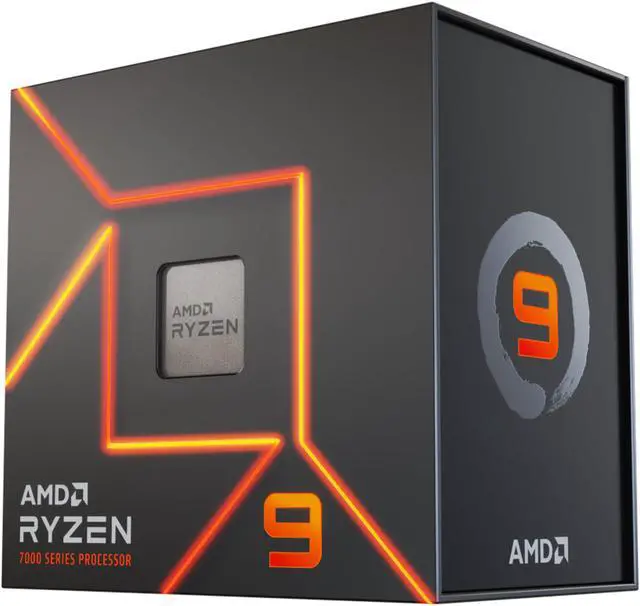
Overview
The battle for desktop CPU supremacy has never been more competitive. AMD's Ryzen 9 7950X and Intel's Core i9-14900K represent the pinnacle of consumer-grade processing power from their respective camps, each targeting professionals, content creators, and enthusiasts who demand the absolute best. Both chips deliver exceptional multi-threaded performance and can handle virtually any workload thrown at them — but they achieve this through very different architectural philosophies, and the right choice depends heavily on your specific needs, budget, and tolerance for heat.
The Ryzen 9 7950X sits at a 9/10 rating, while the Core i9-14900K earns a strong 8/10. That gap might seem small, but it reflects meaningful differences in platform longevity, thermal efficiency, and overall value proposition. Let's break down exactly where each chip excels and where it falls short.
Design Comparison
AMD's Ryzen 9 7950X is built on the cutting-edge Zen 4 architecture, manufactured on TSMC's 5nm process node. It features 16 cores and 32 threads, paired with 16MB of L2 cache and support for DDR5-5200 memory. The AM5 socket (LGA 1718) is AMD's long-term platform commitment, meaning buyers can expect upgrade paths for years to come — a significant selling point for those who want to protect their motherboard investment.
Intel's Core i9-14900K takes a hybrid approach with its Raptor Lake Refresh architecture, combining 8 Performance cores and 16 Efficiency cores for a total of 24 cores and 32 threads. This asymmetric design gives Intel a raw core count advantage and contributes to its impressive 6.0 GHz boost clock — the highest of the two. With a generous 32MB L2 cache and 36MB L3 cache, Intel's memory hierarchy is notably larger, which benefits certain latency-sensitive workloads. However, the LGA 1700 socket is reaching end-of-life, meaning the 14900K represents one of the last upgrades available on this platform.
From a thermal design standpoint, both chips run hot, but Intel pushes the envelope considerably further. The 7950X has a 170W TDP that already demands serious cooling, while the 14900K's Maximum Turbo Power (MTP) can reach a staggering 253W under sustained load — nearly 50% more power consumption. This isn't just an electricity bill concern; it means you'll need a premium 360mm AIO or high-end air cooler to keep the 14900K stable during extended workloads.
Performance Comparison
In multi-threaded workloads such as video rendering, 3D modeling, code compilation, and scientific simulations, both processors are absolute powerhouses. The 7950X's 16 high-performance Zen 4 cores deliver outstanding throughput with exceptional IPC (Instructions Per Clock), while the 14900K's 24-core hybrid configuration gives it an edge in heavily threaded tasks that can efficiently utilize the Efficiency cores.
For single-threaded performance and gaming, Intel's 6.0 GHz boost clock gives it a slight edge in scenarios where raw frequency matters. However, it's worth noting that AMD's own Ryzen 7 7800X3D — with its 3D V-Cache technology — remains the undisputed gaming champion, making the 7950X a somewhat secondary choice for pure gaming builds anyway.
Content creators working in applications like DaVinci Resolve, Blender, or Adobe Premiere will find both chips competitive, with the 14900K often edging ahead in raw rendering benchmarks thanks to its higher core count, while the 7950X maintains advantages in efficiency and sustained performance without thermal throttling.
One concern that cannot be ignored with the 14900K is the Raptor Lake microcode stability issues that have affected some users, particularly under heavy overclocking scenarios. Intel has addressed this with BIOS updates, but it adds a layer of uncertainty that the 7950X simply doesn't carry.
Value for Money
Pricing for both chips is in premium territory, but the value calculation extends beyond the sticker price. The Ryzen 9 7950X's AM5 platform offers genuine future-proofing, with AMD committing to socket support through at least 2025 and beyond. Pairing it with a quality X670E motherboard means your investment in the platform remains relevant for the next CPU generation.
The Core i9-14900K, while competitively priced, sits on a platform that's effectively at its end. If you're building today with an eye toward future upgrades, the AM5 ecosystem provides considerably more runway. On the other hand, if you're building a complete system now and don't plan to upgrade the CPU for 4-5 years, the 14900K's platform limitations matter less.
Power consumption also factors into long-term cost. Running a 14900K at full tilt under 253W versus the 7950X's 170W adds up over months and years of heavy use, and demands more expensive cooling solutions to manage safely.
Final Verdict
Both the AMD Ryzen 9 7950X and Intel Core i9-14900K are exceptional processors that will satisfy even the most demanding users. However, they appeal to slightly different buyers.
The Ryzen 9 7950X is the smarter long-term investment. Its Zen 4 architecture delivers world-class performance with better power efficiency, platform longevity through AM5, and the peace of mind that comes without microcode stability concerns. It's the ideal choice for professional workstations, content creation rigs, and power users who want a chip that remains relevant for years.
The Core i9-14900K is a raw performance beast that edges ahead in certain heavily-threaded benchmarks and gaming scenarios thanks to its higher core count and boost clock. If you're building a system today and want maximum out-of-the-box performance without worrying about future upgrades, it remains a compelling option — just be prepared to invest in serious cooling and accept higher power bills.
For most buyers, the 7950X's combination of performance, efficiency, and platform longevity makes it the more well-rounded recommendation. The 14900K earns its place for those who prioritize peak benchmark numbers and are comfortable managing its considerable thermal and power demands.
Related Products
- AMD Ryzen 9 7950XThe Ryzen 9 7950X is the smarter long-term buy — excellent multi-threaded performance, better power efficiency, and a future-proof AM5 platform make it the top choice for professionals and power users.
- Intel Core i9-14900KThe Core i9-14900K is a raw performance powerhouse with impressive core counts and boost clocks, best suited for buyers who want maximum benchmark performance today and can manage its extreme thermal and power demands.