AMD Ryzen 7 7800X3D Review: The Best Gaming CPU
The AMD Ryzen 7 7800X3D dominates gaming with its 96MB 3D V-Cache and low 120W TDP, making it the undisputed best gaming CPU you can buy today.
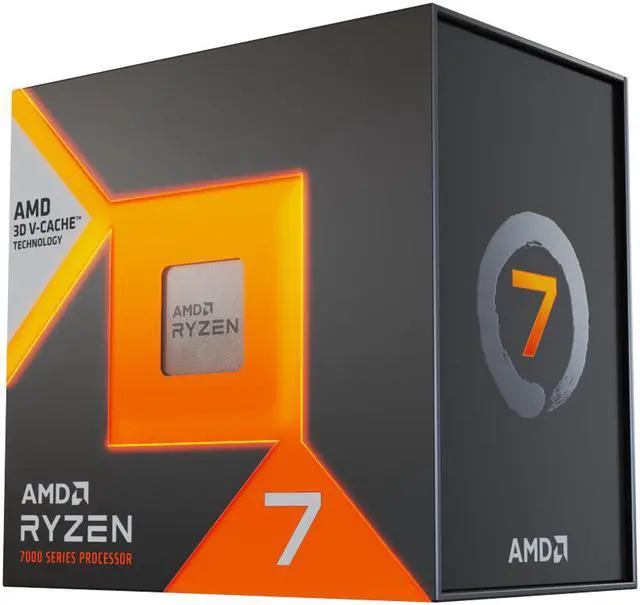
Overview
AMD has done something remarkable with the Ryzen 7 7800X3D: it has built a processor that almost unambiguously earns the title of the best gaming CPU available today. By stacking a massive 64MB of additional L3 cache directly on top of the chiplet using AMD's proprietary 3D V-Cache technology, the 7800X3D delivers frame rates that consistently beat even Intel's flagship offerings in the majority of gaming titles — and it does so at a fraction of the power draw. If you are building or upgrading a gaming PC in 2024 and budget allows, this chip should be at the very top of your shortlist.
The 7800X3D sits on AMD's AM5 platform, uses the modern Zen 4 architecture, and supports DDR5 memory, making it a genuinely future-proof investment. AMD has committed to supporting the AM5 socket through at least 2027, meaning you won't be forced into a motherboard upgrade anytime soon. That kind of platform longevity is something Intel has struggled to offer in recent years, and it adds real long-term value to your purchase.
Design & Build
Physically, the 7800X3D uses the AM5 (LGA 1718) socket, which means the pins are on the motherboard rather than the CPU itself — a design choice that protects the processor from accidental damage during installation. The chip features 8 cores and 16 threads built on TSMC's 5nm process node, and the stacked 3D V-Cache die is visible as a slight raised section on top of the main chiplet when you look closely.
One notable omission is the lack of an included cooler in the box. Given the 7800X3D's 120W TDP — which is actually quite modest for a high-end processor — AMD could have included even a basic cooler. Instead, buyers will need to budget for an aftermarket solution. A mid-range air cooler like the Thermalright Peerless Assassin or a 240mm AIO liquid cooler will handle this chip with ease, but it is an added cost to factor in.
The 8MB of L2 cache combined with the enormous 96MB L3 cache (64MB of 3D V-Cache plus 32MB of standard L3) creates a total cache pool that keeps game data incredibly close to the processor cores. This drastically reduces latency and eliminates many of the bottlenecks that typically occur when a CPU has to reach out to slower system RAM.
Performance
In gaming, the 7800X3D is simply in a class of its own. Across a wide range of titles — from CPU-heavy strategy games like Microsoft Flight Simulator and Civilization VII to fast-paced shooters like Call of Duty and Cyberpunk 2077 — the 7800X3D either matches or outperforms every competitor on the market, including Intel's Core i9-14900K which consumes more than double the power. In titles that are particularly cache-sensitive, performance advantages of 15–30% over standard Zen 4 chips are not uncommon.
The 120W TDP is one of the most impressive aspects of this chip. While Intel's top-tier gaming processors regularly spike to 250W or more under load, the 7800X3D sips power by comparison. This means lower electricity costs, less heat generated in your case, and a quieter overall system. Thermals under a quality air cooler rarely exceed 80°C even during extended gaming sessions.
Where the 7800X3D does show its limitations is in heavily multi-threaded workloads. Video encoding, 3D rendering, and compilation tasks are better served by AMD's own Ryzen 9 7950X or Intel's Core i9 lineup. The 3D V-Cache technology imposes some constraints on clock speed headroom, meaning the 7800X3D cannot boost as aggressively as its non-3D counterparts. Overclocking is also largely off the table — AMD locks the chip down to protect the stacked cache die, so enthusiasts looking to push clocks manually will be disappointed.
Memory support extends to DDR5-5200 in the official specification, though most modern B650 and X670 motherboards will allow you to push faster kits via EXPO profiles without issue. Running DDR5-6000 in a 1:1 memory-to-Infinity Fabric ratio is widely considered the sweet spot for this platform.
Verdict
The AMD Ryzen 7 7800X3D is the easiest CPU recommendation we can make for any dedicated PC gamer. It delivers best-in-class gaming performance, runs cool and quiet, fits into a forward-looking platform, and does all of this without demanding an obscene amount of power. The lack of an included cooler is a minor annoyance, and content creators who spend significant time in rendering or encoding applications may want to look elsewhere. But for pure gaming dominance? Nothing touches it. This is a 10/10 chip, and it earns that score without hesitation.