RTX 4070 SUPER vs RTX 4060 Ti vs RTX 4090: Which GPU to Buy?
The RTX 4070 SUPER leads as the best all-round pick at $580, while the 4060 Ti suits budget 1080p builds and the 4090 dominates 4K at a steep $1,600 premium.
Overview
NVIDIA's Ada Lovelace generation has delivered some of the most capable consumer graphics cards ever made, but with three compelling options spanning a $1,220 price gap, choosing the right GPU can feel overwhelming. The RTX 4060 Ti at $380 targets budget-conscious gamers, the RTX 4070 SUPER at $580 aims at the sweet spot of performance and value, and the RTX 4090 at $1,600 sits at the absolute pinnacle of consumer GPU performance. All three share the same Ada Lovelace architecture and support DLSS 3 Frame Generation, but the similarities largely end there. This comparison will help you identify which card makes the most sense for your gaming resolution, workload, and budget.
Design Comparison
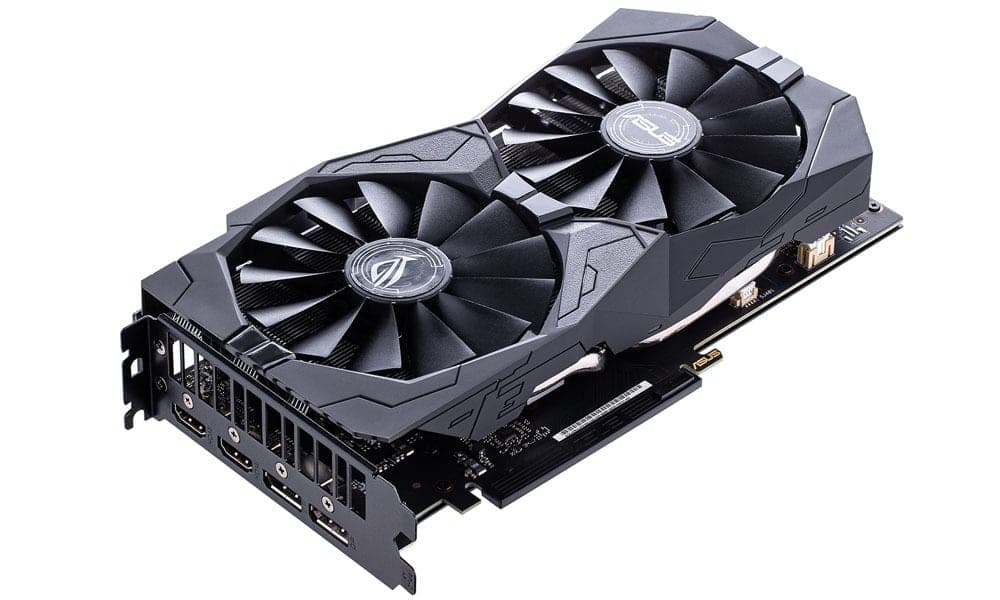
All three cards share NVIDIA's Ada Lovelace architecture and feature the same display output configuration — one HDMI 2.1 and three DisplayPort 1.4a ports — making them equally capable of driving multi-monitor setups or high-refresh-rate displays. However, their physical footprints and power requirements differ dramatically.
The RTX 4060 Ti is the most system-friendly of the trio. With a 160W TDP and a single 8-pin power connector requirement, it slots into a wide range of mid-tower and even compact builds without demanding a PSU upgrade. Its smaller board design makes it an ideal fit for tighter cases.
The RTX 4070 SUPER steps up to a 220W TDP and recommends a 700W PSU. It occupies a mid-range physical footprint depending on the AIB partner, but remains manageable in standard ATX cases. The jump in power draw over the 4060 Ti is noticeable but not alarming.
The RTX 4090, however, is in a class of its own physically. Its 450W TDP demands a robust PSU — typically 850W or more is recommended in practice — and its massive triple-slot cooler makes it one of the largest consumer GPUs ever produced. Builders will need to carefully consider case clearance and airflow before committing.
Performance Comparison
At 1080p, all three cards are more than capable, but the RTX 4060 Ti truly shines at this resolution. Its 4,352 CUDA cores and efficient 160W design deliver smooth, high-framerate gameplay in virtually every current title. DLSS 3 Frame Generation further amplifies performance, making it a stellar 1080p card. The caveat is its 8GB GDDR6 VRAM over a 128-bit memory bus, which is already showing strain in some VRAM-hungry titles and will likely become a more significant bottleneck in the years ahead.
At 1440p, the RTX 4070 SUPER is the standout performer. Its 7,168 CUDA cores, 12GB of GDDR6X VRAM, and wider memory bandwidth provide the headroom needed to max out settings in demanding AAA titles at 1440p without compromise. It comfortably outpaces the RTX 4060 Ti by 20–30% in rasterization workloads at this resolution, and the extra VRAM ensures longevity as games grow more memory-hungry. For the vast majority of gamers targeting a 1440p monitor, the RTX 4070 SUPER hits the performance sweet spot.
The RTX 4090 is simply in another dimension. With 16,384 CUDA cores and 24GB of GDDR6X VRAM on a 384-bit memory bus, it obliterates 4K gaming with ray tracing enabled, often achieving frame rates that rival what lesser cards achieve at 1080p. It's also a powerhouse for AI and machine learning workloads, video editing, and 3D rendering, making it a dual-purpose professional and gaming tool. However, even at 4K, the RTX 4090's performance lead over the RTX 4070 SUPER can feel disproportionate to its price premium for pure gaming use.
Value for Money
Value is where this comparison becomes most revealing. The RTX 4060 Ti at $380 offers solid performance per dollar for 1080p gamers, but its 8GB VRAM and narrow 128-bit memory bus are genuine long-term concerns. If you're upgrading from a GTX 1060 or RX 580, the leap is substantial. If you're coming from an RTX 3060 Ti, the generational improvement is modest and harder to justify.
The RTX 4070 SUPER at $580 represents the best overall value in this lineup. For a $200 premium over the 4060 Ti, you gain significantly more CUDA cores, faster GDDR6X memory, a wider memory bus, and 4GB of additional VRAM — all of which translate into meaningful, tangible performance gains at 1440p and better future-proofing. It earns its 9/10 rating by delivering near-flagship performance without flagship pricing.
The RTX 4090 at $1,600 is unquestionably the best GPU money can buy, but its value proposition depends entirely on your use case. For a dedicated 4K gamer or a creative professional who relies on GPU compute, the investment can be justified. For anyone gaming at 1440p or below, spending nearly three times the price of the RTX 4070 SUPER for performance you'll rarely fully utilize is difficult to recommend.
Final Verdict
Choosing between these three GPUs ultimately comes down to your resolution target, budget, and how long you plan to keep the card. The RTX 4060 Ti is a fine 1080p card for budget-minded builders, but its VRAM limitations are a real concern for longevity. The RTX 4070 SUPER is our top recommendation for the majority of gamers — it delivers exceptional 1440p performance, carries enough VRAM to stay relevant for years, and does so at a price that doesn't require selling a kidney. The RTX 4090 is an extraordinary piece of hardware, but its value is reserved for 4K enthusiasts and professionals who can genuinely leverage its capabilities. For most people, the RTX 4070 SUPER is the card to buy.
Related Products
- NVIDIA RTX 4070 SUPERBest overall pick — the RTX 4070 SUPER delivers outstanding 1440p performance, 12GB GDDR6X VRAM, and excellent efficiency at a justifiable $580 price point.
- NVIDIA RTX 4060 TiBest budget option — the RTX 4060 Ti is a capable 1080p card with great power efficiency, but its 8GB VRAM and 128-bit bus limit its long-term appeal.
- NVIDIA RTX 4090Best for 4K and professionals — the RTX 4090 is the undisputed performance king, but its $1,600 price tag is only justified for 4K gaming enthusiasts and GPU compute workloads.