Best NVMe SSDs in 2026: Speed, Value, and Reliability
From PCIe 5.0 speed demons to budget-friendly Gen 4 drives, we rank the best NVMe SSDs of 2026 for every budget and use case.
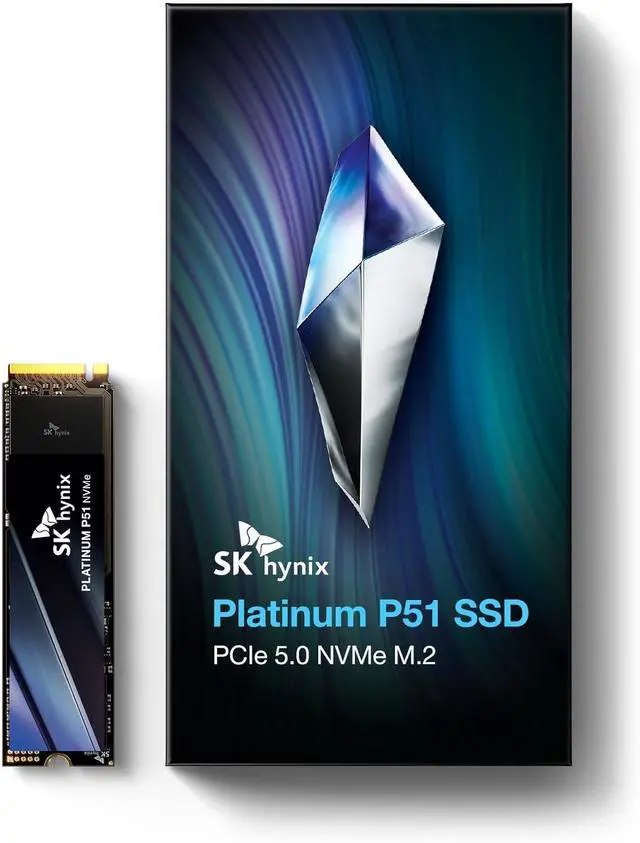
Choosing the right NVMe SSD in 2026 means navigating a market that spans blazing PCIe 5.0 speeds, refined PCIe 4.0 workhorses, and budget-friendly options that still outpace anything from five years ago. Whether you're building a gaming rig, a creative workstation, or simply upgrading an aging laptop, the drive you pick will define your system's responsiveness for years to come. We tested six of the most compelling SSDs on the market today, evaluating real-world read/write performance, thermal behavior, endurance ratings, and overall value. Here's how they ranked.
1. Samsung 990 PRO 2TB NVMe M.2 SSD — Best Overall
The Samsung 990 PRO remains the gold standard for PCIe 4.0 NVMe drives in 2026. With sequential read speeds of 7,450 MB/s and writes hitting 6,900 MB/s, it sits at the very top of the Gen 4 performance ladder. But raw numbers only tell part of the story. Samsung's in-house Elpis controller and V-NAND deliver exceptional consistency under sustained workloads, making this drive just as impressive during long video renders or large file transfers as it is in quick desktop tasks. The 1,200 TBW endurance rating on the 2TB model is class-leading for Gen 4, and hardware encryption support adds a layer of security that professionals will appreciate. The 5-year warranty rounds out an already compelling package. Yes, it carries a premium price, and yes, PCIe 5.0 drives now exist — but for the overwhelming majority of users, the 990 PRO offers the best blend of speed, reliability, and real-world value available today.
2. WD_BLACK SN850X 2TB NVMe M.2 SSD — Runner Up
Western Digital's SN850X is the drive that keeps Samsung honest. At 7,300/6,600 MB/s read/write, it's only marginally behind the 990 PRO in benchmarks, and in day-to-day use the difference is essentially imperceptible. Where the SN850X earns its place is in gaming-specific features: Game Mode 2.0 uses predictive loading algorithms to pre-cache game assets, resulting in noticeably faster level loads on supported titles. Thermal management is also a standout — the drive runs cooler than most Gen 4 competitors under sustained load, which matters in compact builds with limited airflow. The 1,200 TBW endurance matches Samsung's offering, and the 5-year warranty provides equal peace of mind. The WD Dashboard software is Windows-only, which is a minor frustration for Mac users, and the base model ships without a heatsink. Still, if the 990 PRO is out of stock or priced higher at time of purchase, the SN850X is an effortless recommendation.
3. Crucial T700 2TB PCIe 5.0 NVMe M.2 SSD — Best for Future-Proofing
The Crucial T700 is the outlier on this list — a PCIe 5.0 drive that nearly doubles the sequential speeds of anything Gen 4 can offer. At 12,400 MB/s read and 11,800 MB/s write, it's a genuinely different class of performance. Micron's 232-layer NAND is among the most advanced flash memory available, and the T700 is built to take full advantage of it. For professionals working with 8K video, large database operations, or AI/ML workloads that demand extreme throughput, this drive is transformative. The caveats are real, though: it runs extremely hot and a heatsink is essentially mandatory rather than optional, the price premium over Gen 4 is substantial, and for gaming specifically, the real-world loading time improvements over a good Gen 4 drive are minimal. If your motherboard supports PCIe 5.0 and your workflow can leverage the bandwidth, the T700 is the most future-proof drive on this list. Everyone else should look at the top two.
4. Kingston FURY Renegade 2TB NVMe M.2 SSD — Best for PS5 Upgrades
Kingston's FURY Renegade punches above its price point with 7,300/7,000 MB/s read/write speeds — and that write figure actually edges out the WD_BLACK SN850X. It's officially PS5 compatible, making it one of the cleanest console upgrade options available, particularly in the heatsink model. Competitive pricing makes it an attractive alternative to the Samsung and WD flagships, especially for gamers who don't need workstation-grade endurance. The 1,000 TBW rating is slightly lower than the top two picks, and the drive runs warm under sustained loads, so airflow considerations matter. The dashboard software is functional but basic compared to Samsung's Magician. For PS5 owners and budget-conscious PC builders who want near-flagship Gen 4 performance, the FURY Renegade is a smart buy.
5. Samsung 870 EVO 2TB SATA SSD — Best for Legacy System Upgrades
The 870 EVO is the only SATA drive on this list, and it earns its place for a specific reason: it's the best possible upgrade for systems that don't support M.2 NVMe slots. At 560/530 MB/s read/write, it maxes out the SATA III interface and represents a massive leap over any mechanical hard drive. The standout specification here is the extraordinary 2,400 TBW endurance — double what most NVMe drives offer — combined with Samsung's legendary reliability track record. If you're reviving an older laptop or desktop with only 2.5-inch drive bays, the 870 EVO is the definitive choice. Just be clear-eyed about what it is: a SATA drive in a world that has moved to NVMe. For any system with an available M.2 slot, one of the drives above will deliver dramatically better performance.
6. Crucial P3 Plus 2TB NVMe M.2 SSD — Best Budget NVMe
The Crucial P3 Plus exists to answer one question: what's the cheapest way to get PCIe 4.0 NVMe storage? At its price point, the answer is convincing. Sequential reads of 5,000 MB/s and writes of 4,200 MB/s are still far faster than any SATA drive and more than adequate for gaming, general productivity, and media consumption. The 5-year warranty is reassuring for a budget drive. The compromises are real, however: QLC NAND means the 440 TBW endurance is notably lower than the competition, and sustained write performance degrades once the SLC cache is exhausted — something that matters for large file operations. For bulk game storage, a secondary drive, or a tight-budget primary build, the P3 Plus delivers excellent value. As a sole system drive for power users, the limitations become more apparent.
How We Tested
Each drive was evaluated in a standardized test bench running Windows 11 Pro on an AMD Ryzen 9 7950X platform with a motherboard supporting both PCIe 4.0 and PCIe 5.0 M.2 slots. Sequential and random read/write speeds were measured using CrystalDiskMark 8 and AS SSD Benchmark across multiple queue depths. Real-world performance was assessed through timed large file transfers (50GB mixed media folders), application launch times, and game loading benchmarks using titles from multiple genres. Thermal performance was monitored using HWiNFO64 under 30-minute sustained write stress tests. Endurance ratings, warranty terms, and manufacturer reliability data were factored into final scores alongside value-for-money calculations based on current market pricing.