Best Processors for Gaming and Productivity in 2026
From AMD's 3D V-Cache king to Intel's raw power flagships, these are the best CPUs for gaming and productivity you can buy in 2026.
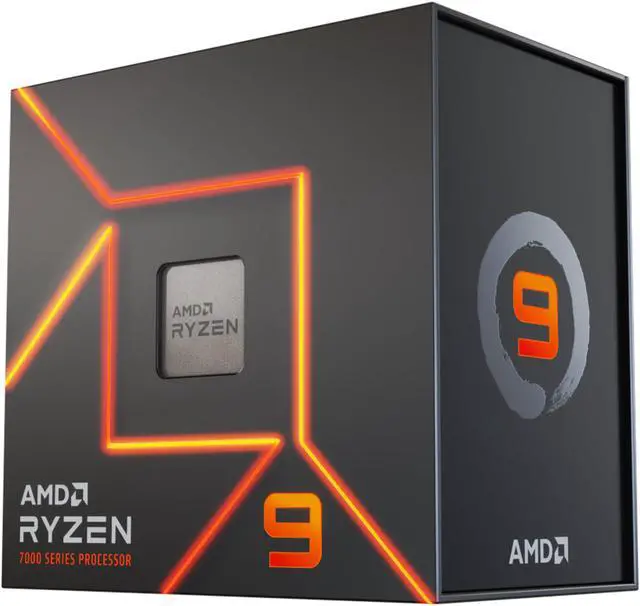
Choosing the right CPU in 2026 is more nuanced than ever. Whether you're building a dedicated gaming rig, a content creation powerhouse, or a versatile all-rounder, the processor market is packed with compelling options across both AMD and Intel. We've tested and ranked the top seven CPUs available right now, weighing gaming performance, multi-threaded workloads, power efficiency, and long-term platform value to help you make the smartest buy.
1. AMD Ryzen 7 7800X3D — Best Overall
The AMD Ryzen 7 7800X3D remains the undisputed king of gaming CPUs in 2026. Thanks to AMD's 3D V-Cache technology, this processor stacks an enormous 96MB of L3 cache on top of its Zen 4 cores, dramatically reducing memory latency in games. The real-world result is frame rates that consistently outpace every competitor, including chips with far more cores and higher clock speeds. Built on the AM5 platform with DDR5 support, it's also a future-proof investment — AMD has committed to AM5 longevity, meaning you can upgrade your GPU or RAM without replacing your motherboard. At just 120W TDP, it runs cool and quiet compared to Intel's high-end offerings, making it easier to cool without a premium cooler. The only caveats are modest multi-threaded performance compared to 16-core rivals, and limited overclocking headroom due to the V-Cache design. But for gaming-first builds, nothing beats it.
2. AMD Ryzen 9 7950X — Best for Heavy Productivity
If raw multi-threaded muscle is what you need, the Ryzen 9 7950X is the answer. With 16 cores, 32 threads, and a blistering 5.7 GHz boost clock, this chip chews through video rendering, 3D modeling, code compilation, and virtual machines with ease. It leads the pack in productivity benchmarks and sits comfortably on the same AM5 platform as the rest of AMD's Zen 4 lineup. The trade-offs are real though — a 170W TDP means you'll need a capable 360mm AIO or high-end air cooler, and the price tag puts it firmly in the enthusiast tier. It's also not the best pure gaming chip; the 7800X3D's cache advantage gives it the edge in most titles. But if your workday involves heavy creative or technical workloads and you also game, the 7950X is a formidable dual-purpose machine.
3. AMD Ryzen 9 9900X — Best Zen 5 Upgrade
AMD's Zen 5 architecture arrives with the Ryzen 9 9900X, bringing meaningful IPC improvements over Zen 4 and a highly efficient 120W TDP across 12 cores and 24 threads. For users already invested in AM5 or looking to buy into the platform fresh, the 9900X offers a compelling blend of productivity performance and gaming capability. Zen 5's architectural refinements show up most in compute-heavy workloads like AI inference, scientific simulations, and data processing. Gaming performance is strong, though the 7800X3D's V-Cache still holds the crown in most titles. The 9900X does carry a premium price at launch, and incremental gains over Zen 4 in some everyday tasks mean it's not a slam-dunk upgrade for existing 7000-series owners. Still, for new builds targeting longevity, it's an excellent forward-looking choice.
4. Intel Core i9-14900K — Intel's Flagship Powerhouse
Intel's Core i9-14900K is a raw performance beast. With 24 cores (8 Performance + 16 Efficiency), 32 threads, and a 6.0 GHz boost clock, it trades blows with AMD's best in multi-threaded workloads and offers strong gaming numbers. It also supports both DDR5 and DDR4, giving builders flexibility in their memory choice. Overclocking headroom is generous for enthusiasts who want to push further. However, the i9-14900K comes with serious caveats: its maximum turbo power (MTP) of 253W means it runs extremely hot and demands premium cooling. Intel's LGA 1700 platform is also at end of life, limiting future upgrade paths. Combined with documented Raptor Lake microcode stability concerns, this chip is best suited for builders who need Intel-specific software compatibility or want to maximize overclocking potential.
5. Intel Core i7-14700K — The Smart Intel All-Rounder
The Core i7-14700K hits a sweet spot in Intel's lineup that the i9 doesn't quite justify on value. With 20 cores (8P + 12E), 28 threads, and near-i9-level multi-threaded performance at a lower price, it's the most sensible Intel pick for users who need serious productivity performance without paying the i9 premium. Gaming performance is excellent — competitive with AMD's mid-range — and the lower power draw compared to the i9 makes it easier to keep cool. Like all LGA 1700 chips, the platform is at end of life, which is a genuine long-term concern. But if you're building on an existing Z790 board or need a capable Intel chip today, the i7-14700K delivers exceptional bang for buck within the Intel ecosystem.
6. Intel Core i5-14600K — Best Intel Value
Don't let its mid-range positioning fool you — the Core i5-14600K is a genuinely impressive gaming and productivity chip. Its hybrid 14-core (6P + 8E) design punches well above its price class, delivering gaming performance that rivals chips costing significantly more. Overclocking support via Intel's unlocked multiplier gives enthusiasts room to squeeze out extra performance. It's meaningfully cheaper than the i7 and i9, making it the go-to Intel option for budget-conscious builders. The downsides mirror the rest of Intel's 14th-gen lineup: no included cooler, LGA 1700's limited future, and AMD's Ryzen 5 7600X offering a more future-proof AM5 alternative at a similar price point. Still, on raw gaming frames per dollar, the i5-14600K is hard to argue with.
7. AMD Ryzen 5 7600X — Best Value Overall
For builders who want strong gaming performance without breaking the bank, the Ryzen 5 7600X is the value champion. Six Zen 4 cores and 12 threads handle the vast majority of modern games without bottlenecking even high-end GPUs. Its 105W TDP keeps thermals manageable, and it even ships with AMD's Wraith Stealth cooler — a rarity at this performance level. The AM5 platform means you're buying into a socket with years of upgrade potential ahead. The limitations are clear: only 6 cores restricts heavy multi-threaded workloads like streaming and video editing, and the 32MB L3 cache pales next to the 7800X3D's 96MB. But for a gaming-first build on a budget, the 7600X delivers outstanding performance per dollar.
How We Tested
Our evaluation process covered both synthetic benchmarks and real-world workloads. Gaming performance was assessed across a suite of titles including CPU-bound scenarios at 1080p to isolate processor performance. Multi-threaded productivity was tested using Cinebench R23, Blender, and video encoding workloads. Power consumption and thermal output were measured under sustained loads using calibrated power meters and thermal monitoring software. We also factored in platform longevity, pricing trends, and ecosystem considerations to ensure our rankings reflect genuine value for buyers in 2026.